
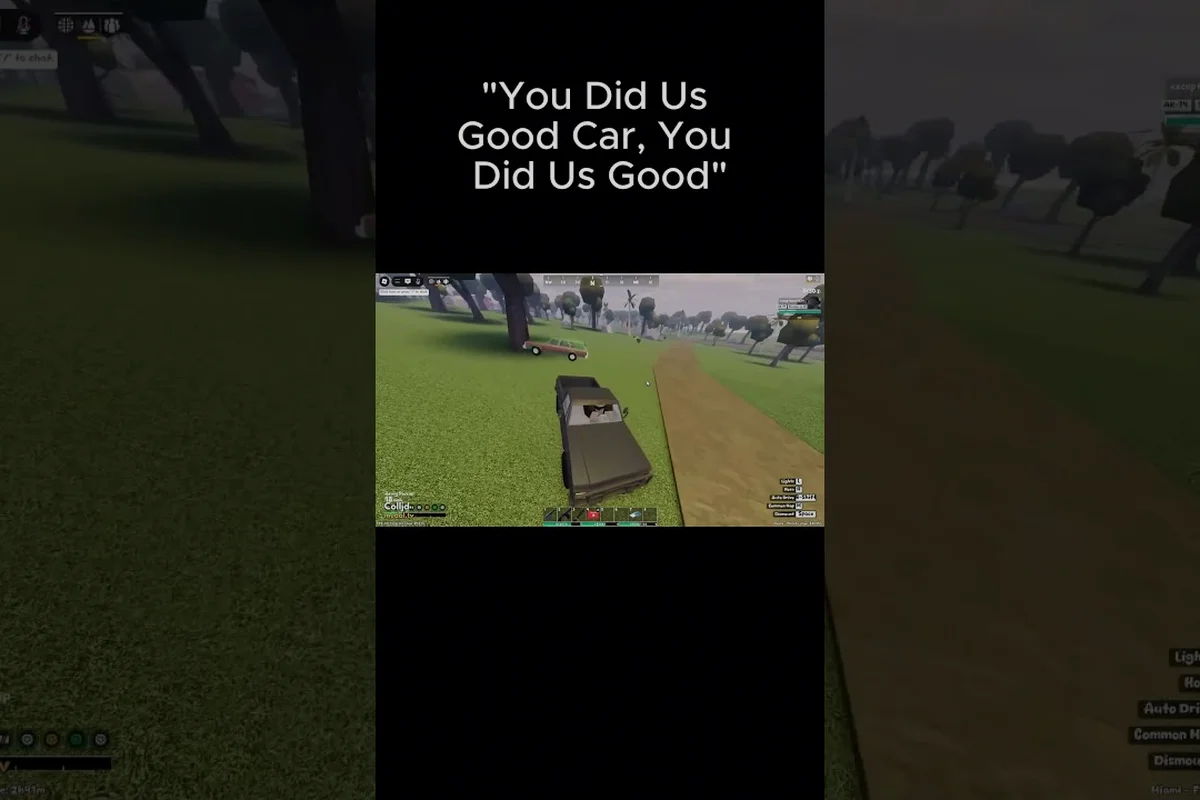
Getting a working vehicle in Apocalypse Rising 2 changes how you approach every raid, escape, and supply run, because a repaired car lets you cross the map in minutes instead of sprinting through infected zones on foot. Apocalypse Rising 2 car repair is not a single-button action, though: every drivable frame spawns as a wreck, and you need to scavenge the missing components from separate loot locations before the engine will turn over. This guide breaks down exactly which parts to grab, where they tend to spawn, and how to avoid the mistakes that leave players stranded beside a half-fixed sedan while a hostile squad closes in.
How Apocalypse Rising 2 Car Repair Works
The repair loop in Apocalypse Rising 2 is built around a simple rule: vehicles do not spawn ready to drive. According to community testing and player footage, cars, trucks, and even boats appear as wrecked frames that stay completely useless until you install the missing pieces. The game does not hand you a repair kit or a single universal tool; instead, each vehicle type has a specific set of component slots that must be filled with looted parts.
When you approach a wreck, the interaction prompt shows which slots are empty. A typical sedan might need a wheel, a battery, a spark plug, and a fuel line before it will start, while a heavier truck could also demand a radiator or a drive belt. The exact list shifts between vehicle classes, which is why experienced players check the frame before they commit to looting for it. Grabbing a battery for a jeep that actually needs a radiator wastes inventory space and time.
The repair process itself is straightforward once the parts are in your backpack. You open the vehicle interface, drag or click each component into its matching slot, and the frame becomes operational. There is no minigame, no failure chance, and no durability penalty for installing parts in the wrong order. The challenge lives entirely in the scavenging phase, because every component is a separate loot item that competes with weapons, food, and medical supplies for your limited carry capacity.
Component Slots and What They Do
Each slot serves a distinct function, and knowing the role helps you prioritize when your inventory is full. For example, a Wheel and a Battery are both mandatory for any land vehicle to move, but the Spark Plug is the single most overlooked drop because it spawns in residential garages rather than industrial lots — players who skip houses often end up with a Fuel Line, Radiator, and three Wheels, yet still cannot start the engine. Prioritize the ignition chain (Battery → Spark Plug → Fuel Line) before cosmetic or cooling parts, since a missing Radiator only degrades durability over time while a missing Spark Plug leaves the frame completely dead. The table below summarizes the most common slots and their effects on vehicle performance.
| Component Slot | Function | Typical Spawn Areas |
|---|---|---|
| Wheel | Required for movement; missing wheels prevent the vehicle from rolling | Garages, sheds, roadside wreck piles |
| Battery | Powers the ignition and lights; dead frame will not start without it | Industrial buildings, workshops, gas stations |
| Spark Plug | Ignites fuel in the engine; no spark means no combustion | Toolboxes, auto shops, residential garages |
| Fuel Line | Carries gasoline from tank to engine; damaged line stalls the vehicle | Hardware stores, mechanic bays, barns |
| Radiator | Cools the engine; overheating damages durability over time | Warehouses, fire stations, industrial lots |
Community reports note that boat frames use a slightly different set, often requiring a propeller and a fuel tank instead of wheels and a radiator. This means the loot route you run for a coastal escape should not be identical to the route you run for a highway sedan.
Where to Find AR2 Car Parts Across the Map
Scavenging for apocalypse rising 2 car parts is a game of knowing which building types spawn mechanical loot rather than medical or military gear. The map is large, but component spawns cluster around industrial zones, garages, auto shops, and residential sheds. If you wander through apartment blocks and office buildings, you will find plenty of food and clothing but almost no vehicle components.
The most reliable early-game locations are the small roadside garages scattered along main highways. These single-room buildings often contain one or two toolboxes, a shelf, and a floor loot spot that can roll wheels, spark plugs, or fuel lines. They are low-risk because infected density is usually thin, and the compact layout lets you clear the room in seconds before moving on.
Larger auto repair shops and warehouse districts offer better density but come with more player traffic. A full sweep of a warehouse can yield multiple components in one run, including the rarer radiator and battery spawns. The tradeoff is exposure: these areas sit on common rotation routes for squads running supply loops, so you should loot fast and listen for footsteps.
Loot Priority by Rarity
Not all components are equally common. Community data suggests that wheels and spark plugs appear more frequently than radiators and batteries, which means you should grab the rare pieces whenever you see them, even if you do not have a frame yet.
| Component | Relative Rarity | Inventory Priority | Notes |
|---|---|---|---|
| Wheel | Common | Low | Easy to find later; only carry if you have a frame nearby |
| Spark Plug | Common | Low | Small and light; safe to carry one as backup |
| Fuel Line | Uncommon | Medium | Needed by most vehicles; worth keeping if space allows |
| Battery | Rare | High | Heavy but essential; stash it or commit to a frame |
| Radiator | Rare | High | Bulky; only grab when you have a specific truck or heavy vehicle in mind |
A practical rule from veteran players is to loot the frame first, then hunt the parts. Finding a wrecked jeep tells you exactly which components to prioritize, and it prevents the frustrating situation of carrying a rare radiator across the map with no vehicle to install it in.
Step-by-Step Apocalypse Rising 2 How to Fix Car Process
Once you understand the component system, the actual flow of getting a broken car running again becomes a repeatable routine. The steps below assume you have already found a wrecked frame and cleared the immediate area of infected. This routine matters because each vehicle part — Engine, Fuel Tank, Wheels, and Battery — has a specific spawn location and condition roll, so knowing which garages, barns, and roadside wrecks to check first can turn a 20-minute scavenger hunt into a 5-minute repair job. For example, Sedans and Police Cars frequently spawn near the Mansion and Regional Airport, while Fuel Tanks are more reliably found at gas stations or inside Cargo Trucks, letting you prioritize loot routes instead of wandering blind.
Preparation and Scavenging Route
Start by checking the frame's component slots and writing down or remembering what is missing. Then plan a route that passes through at least two or three mechanical loot zones rather than wandering randomly. A good early route connects a roadside garage, a gas station, and a small industrial shed in a loop that returns you to the frame.
While scavenging, keep your inventory lean. Drop low-value food and bandages before picking up heavy components, because a battery and a radiator together can consume a large chunk of your carry weight. You also want to keep a weapon slot free, since the sound of looting attracts both infected and nearby players.
Installation and First Drive
When you return to the frame with all required parts, open the vehicle interface and install each component into its matching slot. The order does not matter, but installing the battery last can be a useful habit because it serves as a mental checklist item: once the battery clicks in, the vehicle is ready.
Before driving off, check the fuel gauge. A repaired car with an empty tank will not move, and pushing a dead vehicle is not an option. If the gauge is low, you need a gas can to refuel it, which is covered in more detail in the Apocalypse Rising 2 gas can refuel guide. A full tank plus a spare gas can in the trunk is the standard setup for long-distance raids.
Common Repair Mistakes
The most frequent error new players make is looting parts before finding a frame, which leads to wasted inventory space and slow movement speed. Another common mistake is repairing a vehicle in an exposed location, because the installation interface takes a few seconds and leaves you vulnerable to snipers. Always repair inside a garage or behind cover when possible.
A third mistake is ignoring vehicle durability. Even a fully repaired car takes damage from collisions, gunfire, and infected attacks, and a heavily damaged vehicle can stall or explode. The vehicle guide explains durability management and spawn behavior in more depth, but the short version is that you should treat your repaired car as a resource, not a permanent base.
Choosing the Apocalypse Rising 2 Best Vehicle for Repair Investment
Not every frame is worth the effort of a full repair. The apocalypse rising 2 best vehicle for your situation depends on seat count, durability, speed, and fuel efficiency, and these stats vary significantly between classes. Investing rare parts into a fragile motorcycle that a single rifle burst can destroy is often a poor trade compared with saving those parts for a truck.
According to the AR2 car repair blowtorch video, repairing a vehicle requires a Blowtorch and the appropriate repair materials, with each part restored individually based on its current damage state.
Vehicle Class Comparison
The table below compares the main vehicle classes based on community testing and player reports, but the numbers behind those rankings depend heavily on how repair parts are sourced. A Truck may look expensive to fix, yet its higher durability threshold means fewer mid-raid breakdowns that force you to scavenge Wheels or Engines under fire; a Motorcycle costs almost nothing to patch up but loses a wheel to a single burst, stranding you far from a Gas Station or Auto Shop. Exact values can shift between patches, so treat these as general rankings rather than fixed numbers.
| Vehicle Class | Durability | Speed | Seat Count | Repair Cost | Best Use Case |
|---|---|---|---|---|---|
| Motorcycle | Low | High | 1-2 | Low | Solo scouting, quick escapes |
| Sedan | Medium | Medium | 4 | Medium | Squad transport, balanced raids |
| Truck | High | Low | 4-6 | High | Mobile storage, base defense |
| Boat | Medium | Medium | 2-4 | Medium | Island travel, water escapes |
For solo players, a motorcycle or a light sedan is usually the best repair investment because the part requirements are modest and the speed lets you disengage from fights you cannot win. Squads benefit more from a truck, which can carry more loot and absorb more damage during supply runs, even though the repair cost is higher.
When to Skip a Repair
Sometimes the smartest move is to leave the frame behind. If you find a wreck in a high-traffic area, if you are missing a rare component like a radiator, or if you already have a working vehicle, spending time on a second repair is usually not worth the risk. A repaired car is only valuable if you can actually drive it out of the area alive.
The best car guide goes deeper into speed and handling comparisons across specific models, which can help you decide whether a given frame is worth your components. For the repair-focused player, the key takeaway is that part scarcity should drive your vehicle choice more than raw stats.
Frequently Asked Questions
What parts do I need to repair a car in Apocalypse Rising 2?
The required parts vary by vehicle class, but most cars need a wheel, a battery, a spark plug, and a fuel line. Trucks and heavy vehicles may also require a radiator or a drive belt. Check the frame's component slots before scavenging so you know exactly what to loot.
Where is the best place to find apocalypse rising 2 car parts?
Garages, auto shops, warehouses, and industrial sheds are the most reliable spawn locations. Roadside garages along highways are good low-risk early options, while larger warehouse districts offer better density but attract more player traffic. Avoid residential apartments and office buildings, which rarely spawn mechanical components.
Can I repair a car without a gas can?
Yes, you can install all components and make the vehicle operational without a gas can, but the car will not drive if the fuel tank is empty. Always check the fuel gauge after repairing, and carry a spare gas can for long trips. A repaired car with no fuel is just a stationary target.
Do boats use the same repair parts as cars?
No, boats typically require a propeller and a fuel tank instead of wheels and a radiator. The repair interface works the same way, but the component list is different. If you plan to escape by water, loot coastal and dock areas for boat-specific parts rather than highway garages.
What is the fastest way to get a working vehicle?
The fastest method is to find a wrecked frame first, note its missing slots, then run a tight loot route through nearby mechanical spawn points. Prioritize rare components like batteries and radiators when you see them, and avoid carrying parts for a vehicle you have not found yet.