
Vehicles
Apocalypse Rising 2 vehicles: cars, trucks and boats spawn wrecked, so learn the parts, fuel, manual transmission and repair steps before you need them.
Introduction
Vehicles in Apocalypse Rising 2 are never ready to drive when you find them. Every car, truck, jeep, motorcycle, boat, and helicopter spawns as a wreck, stripped of the parts that would make it run. You must scavenge wheels, engines, fuel, and other components from garages, sheds, industrial lots, and other wrecks, then fit them by hand while the Infected close in. On the Reimagined map and the alpha map alike, a working vehicle changes everything: it lets you cross the archipelago quickly, reach contested NATO loot before other players, carry more gear, and escape ambushes. This page covers the vehicle classes, where they appear, what each one needs to run, how manual transmission and fuel work, and the risks of driving in a world where gunfire draws the Infected from a wide radius.
Vehicle Field Guide
| Vehicle | Typical Spawns | Core Parts | Practical Role |
|---|---|---|---|
| Car | Towns, driveways, roads | Wheels, engine, fuel | Quick solo transport |
| Truck | Farms, industrial lots, depots | Wheels, engine, fuel | Heavy cargo and cover |
| Jeep | Military checkpoints, airfields | Wheels, engine, fuel | Rugged off-road scout |
| Motorcycle | Sheds, barns, back roads | Wheel, engine, fuel | Fast but exposed travel |
| Boat | Docks, beaches, coastal shacks | Engine, fuel | Island-to-island travel |
| Helicopter | Airfields, crash sites, military pads | Engine, rotor, fuel | Rare high-risk air travel |
Vehicle Cards
Car
Common four-door wrecks in towns and driveways
Truck
Heavy cargo haulers found near farms and depots
Jeep
Rugged military-style wrecks at checkpoints and airfields
Motorcycle
Fast single-rider wrecks hidden in sheds and barns
Boat
Coastal wrecks that open island travel routes
Helicopter
Rare airframes at airfields and crash sites
Core Mechanics
Every vehicle begins as a wreck with missing parts marked in its inventory interface. You must carry or find the correct components, such as wheels, an engine, and in some cases a rotor, then install them before adding fuel from a gas can. Once running, vehicles use a manual transmission: you shift up and down rather than simply holding forward. Fuel drains as you drive or idle, and a gas can lets you refill from fuel pumps or siphon from other wrecks. Durability drops with collisions, gunfire, and Infected attacks; a badly damaged vehicle can fail at the worst moment. Boats let you cross open water between islands, while helicopters are the fastest but rarest option. Drive-by shooting is possible but inaccurate, and the noise of an engine or rotor travels far, pulling Infected and alerting nearby players.
Advantages
A working vehicle is one of the strongest force multipliers in Apocalypse Rising 2. It compresses travel time across the Reimagined map, letting you hit multiple military loot spots before other players on foot. Vehicles add storage for extra weapons, ammo cans, medical gear, and utilities, so you can carry a full kit without overloading your backpack. They also serve as mobile cover in a firefight and as a fast escape when a raid goes wrong. Boats open up island routes that would otherwise be unreachable, and a helicopter can bypass terrain and Infected entirely. With a full tank and careful driving, you can loot, trade, and reposition far more efficiently than any solo survivor.
Challenges
Vehicles are loud, fragile, and expensive to repair. The sound of an engine draws Infected from a wide radius, so parking near a loot site can create a wall of enemies between you and your car. Manual transmission punishes sloppy shifting, especially when you need to reverse out of an ambush. Fuel is finite and gas cans take inventory space, while parts are scattered across the map and often already taken. A damaged wheel or engine can leave you stranded in open ground. Other players hear vehicles from far away and may set up ambushes along roads or at fuel pumps. Helicopters are the worst of all: rare, hard to repair, and visible to everyone on the server.
Frequently Asked Questions
Where do I find vehicle parts?+
How does manual transmission work?+
Can I shoot from a vehicle?+
What should I do if my vehicle breaks down?+
Quick Tips
Before you commit to repairing a vehicle, scout the surrounding buildings for parts and fuel. Many players find a wreck, then waste time searching in the open while the Infected gather. If you cannot find the needed parts within a few minutes, mark the location and move on. A half-repaired vehicle is useless, and standing beside one makes you an easy target for snipers who watch known spawn points.
Always park your vehicle facing the road you plan to escape on, and leave it far enough from a loot site that Infected do not surround it. When you return, do a wide loop and listen for other engines or footsteps before approaching. Players often camp near parked cars, knowing the owner must come back. If you hear movement, abandon the vehicle rather than walk into a trap.
Fuel pumps are some of the most dangerous places on the map. The noise of a running vehicle, the pause to fill a gas can, and the predictable position all invite ambushes. If you must refuel, do it quickly, keep your weapon ready, and consider having a teammate cover you from a nearby building. A full gas can in your inventory is worth more than a full tank you never get to use.
Featured

Apocalypse Rising 2 Best Car: Fastest Vehicles Ranked
Compare the apocalypse rising 2 best car options with speed, fuel, and durability stats, plus boat locations for crossing water fast.
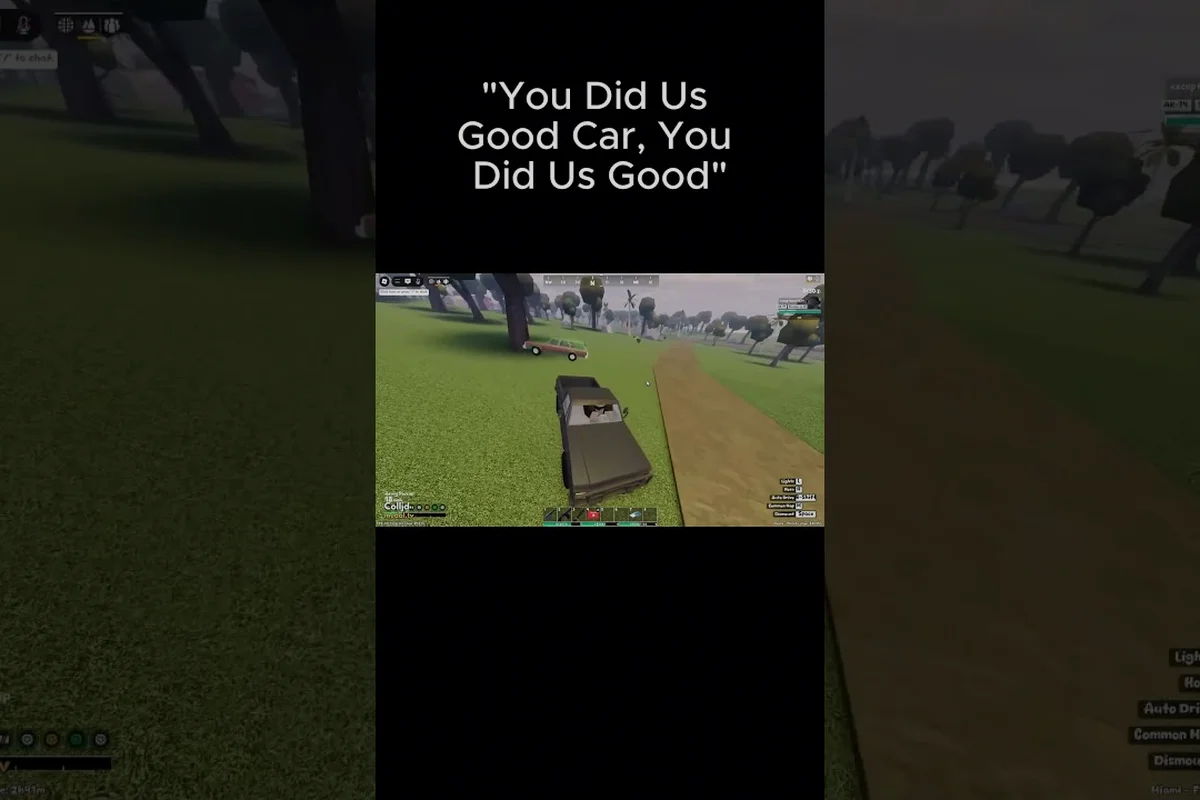
Apocalypse Rising 2 Car Repair: Parts and Tools Guide
Learn apocalypse rising 2 car repair step by step, including which vehicle parts to loot, where to find them, and how to get a broken car running again.
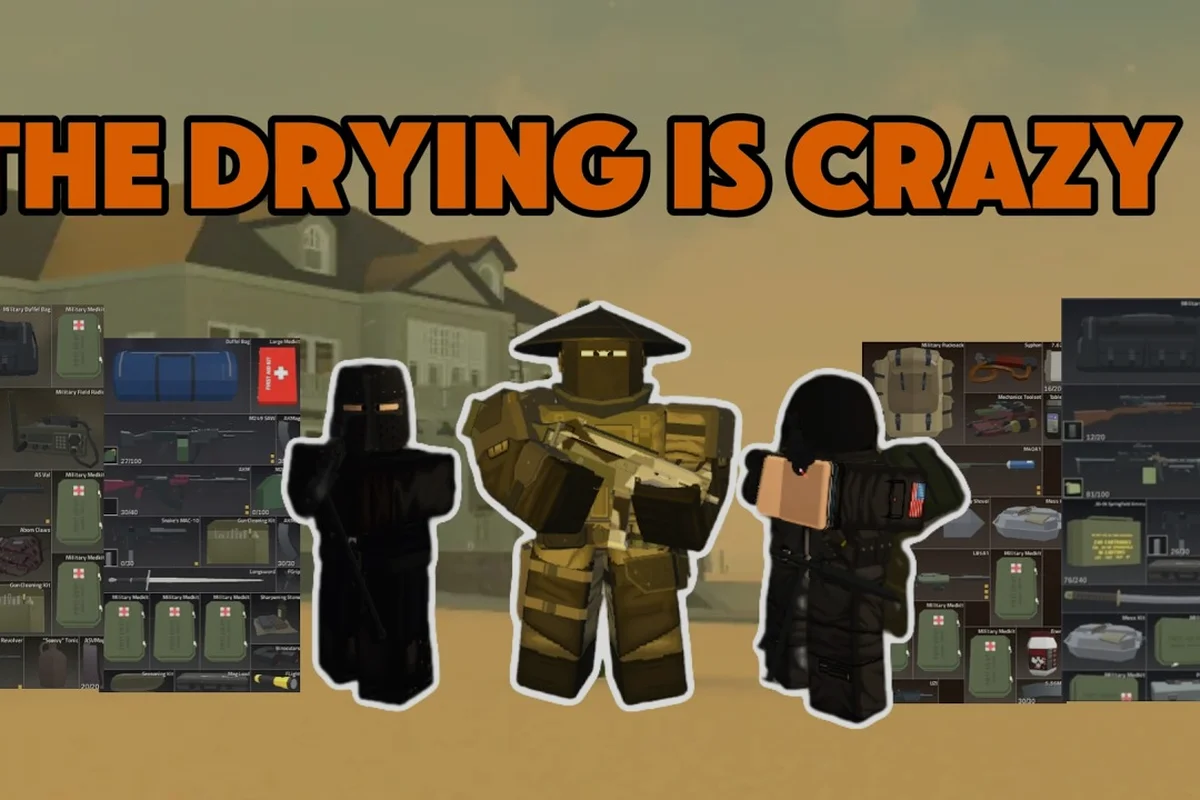
Apocalypse Rising 2 Helicopter: Spawns and Flight Guide
Locate the apocalypse rising 2 helicopter spawn points, learn flight basics, and compare trucks, Humvees, jeeps, motorcycles, and bicycles for ground travel.
All Articles
Apocalypse Rising 2 How to Escape Players Fast
Master apocalypse rising 2 how to escape players with vehicle tricks, crash damage awareness, and routes that shake off pursuers every time.
Apocalypse Rising 2 Vehicle Guide: Every Ride Ranked
Master the apocalypse rising 2 vehicle guide covering every car, truck, and boat, plus spawn locations and new interface changes from the latest update.
Apocalypse Rising 2 Gas Can: Refuel and Fly Guide
Find apocalypse rising 2 gas can spawns, refuel any car or truck, and learn how to get a helicopter airborne before your fuel runs dry.
Apocalypse Rising 2 Manual Transmission: Drive Like a Pro
Understand apocalypse rising 2 manual transmission controls, gear shifting, and drive-by shooting tactics that keep you moving and fighting at once.